


Walking​‍​‌‍​‍‌​‍​‌‍​‍‌ Through History, Listening to Identity: My Journey of Writing a Research Paper on Tibet

Research Paper on Tibet - Divij Gupta - ExoSpace

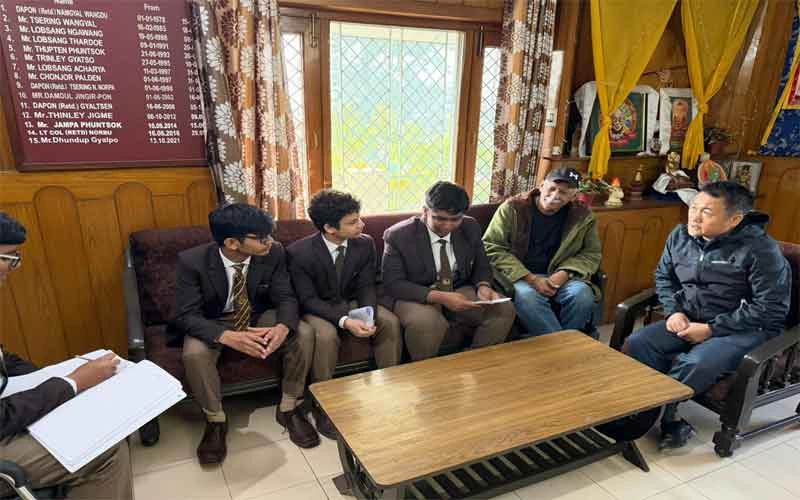
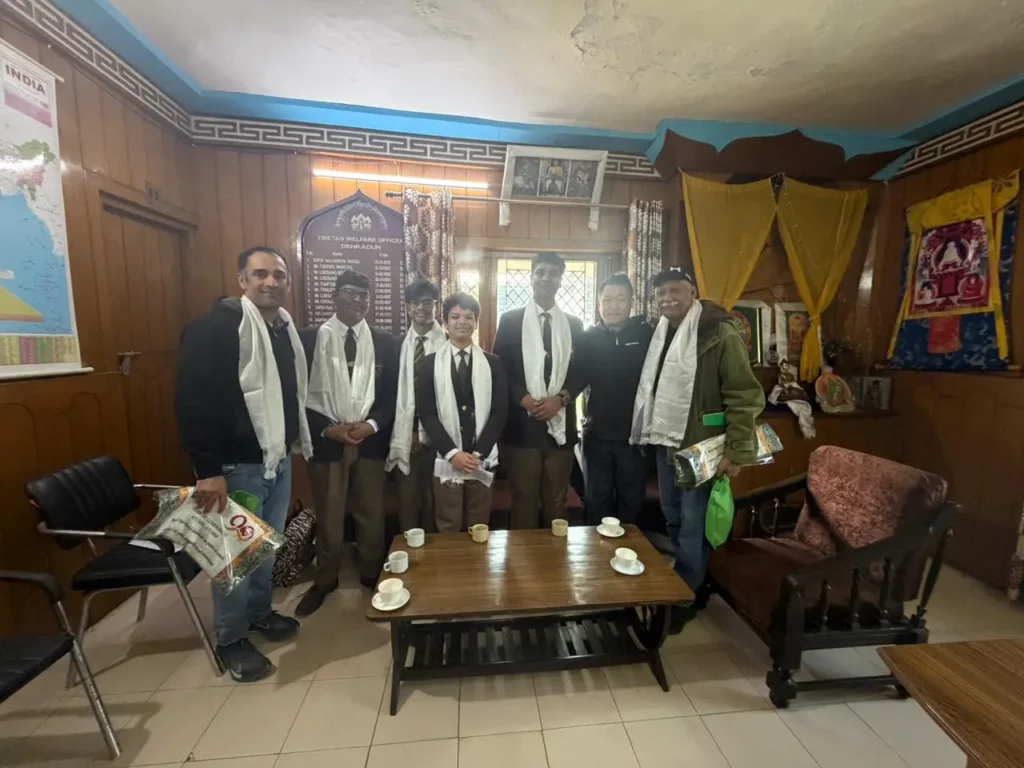
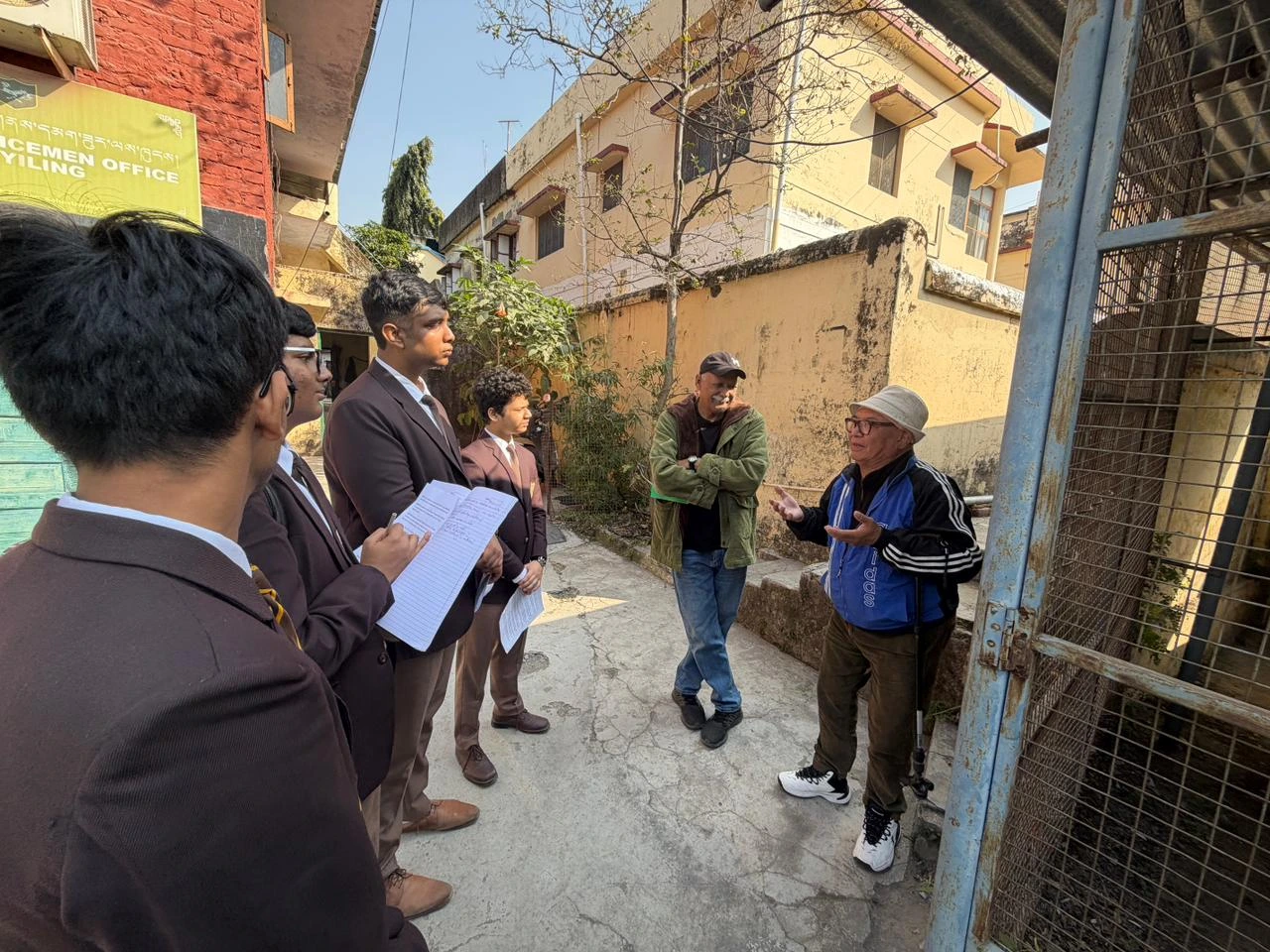
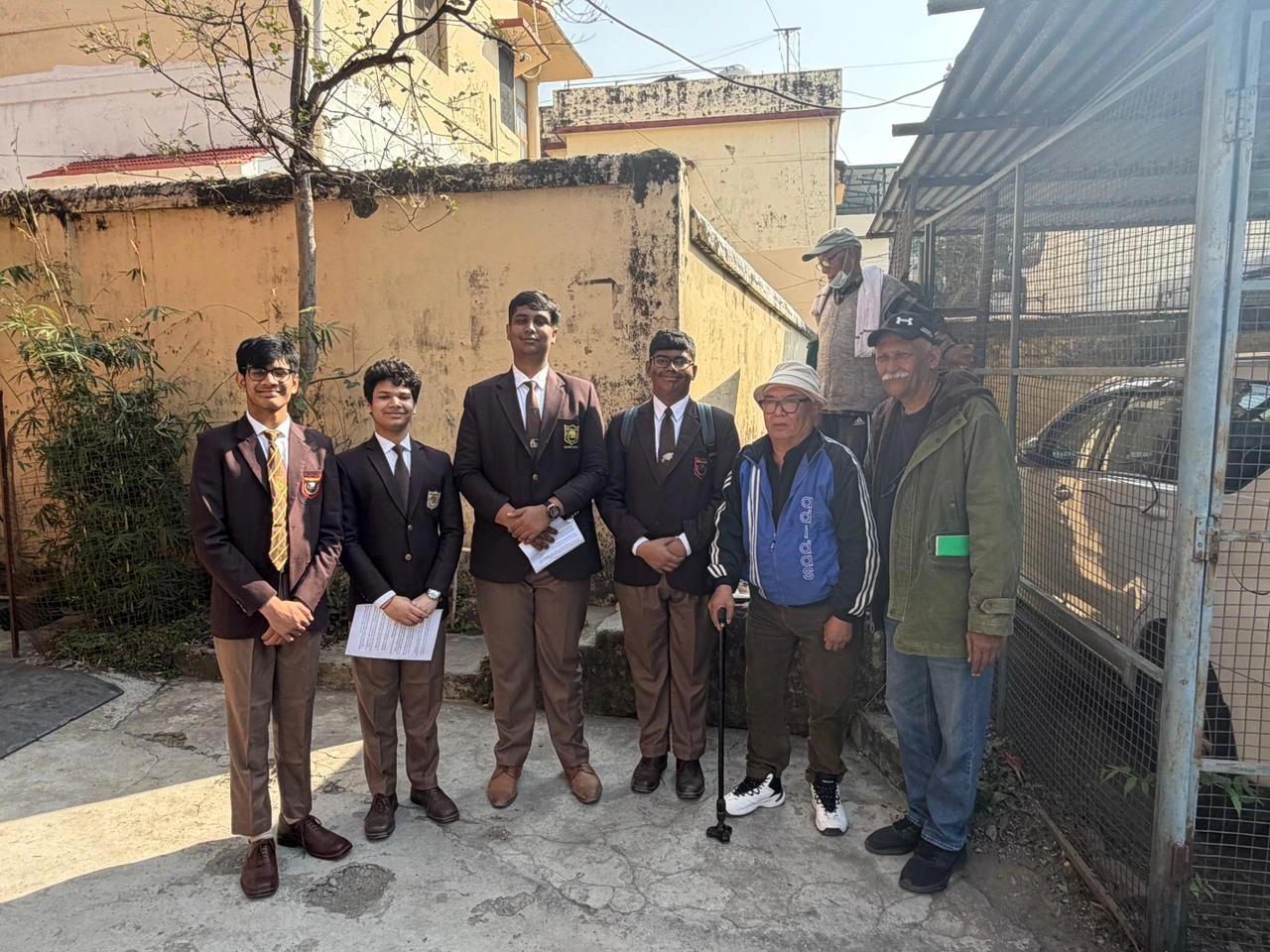
Research is often described as an intellectual exercise, which is carried out in libraries, old archives, and among various citations. For me, however, the research process was much more than that. It became a dialogue between history and memory, between suffering and resilience, and, finally, between exile and belonging. With our research group, I was able to experience that conversation physically today at the Tibetan Settlement Office in Dekyiling, Dehradun.

This research paper, initially conceived as an academic project only, has now become a personal journey of.

Writing, revising, and substantiating it with lived experiences have led me to a different understanding of identity, culture, and displacement.

The Visit to the Tibetan Settlement Office Made a Difference in Our Work

research paper on Tibet

We went to the Tibetan Settlement Office this morning and had a chance to meet Mr. Tsewang Phuntsok, Settlement Officer, and Dr. Pema Tenzin. They both gave us a warm welcome, and their inquisitiveness and openness rapidly broke down the barriers of researcher and subject, of “their story” and “our study.”

The thing that moved me most to my core was their very easy switch from laughter to memory and to reflection. Talking about exile was not rehearsed as an academic exercise; instead, it was an emotional reality. Their words I heard included:

  • Preservation of Tibetan culture
  • The resilience needed to rebuild a life in India
  • The delicate balance between fitting in and protecting identity

This helped me to understand a very important point: not even one single secondary literature can convey the depth of a firsthand experience.

Prior to this day, our research was like a well-planned and highly scholarly work, almost like an architectural blueprint. However, today has breathed life into that framework.

We were not simply outlining the past; we were deeply involved with the present experiences of a people.

The Journey of Writing a Research Paper Has Taught Me

During the early stages of writing this paper, I thought that I knew what “history” meant: it was a matter of listing events in the order of time, identifying causes, and effects. Nevertheless, Tibet made me see that history is not a one-way road; rather, it has different layers, feelings, and is very much human.

1. Identity Is Not Lost in Exile- It Is Reinvented

Based on the material and on today’s session, I came to the understanding that the identity of the Tibetans is not the one geographically determined. The Tibetan culture is alive not because the people stayed in Tibet, but because the Tibet they brought along with them is in the prayer halls, in the schools where kids learn their native language although they have never seen their homeland, in the art and rituals, and in the quiet pride of the elderly who know that memory is a way of resistance.

2. Leadership Not Only Influences the Shape of Nations, But Also That of Hope

There is a lot of literature on the Dalai Lama filled with themes such as philosophy, compassion, and political intricacies. However, hearing it from the source how his role—being either actual or metaphorical—supports the Tibetan diaspora radically overturns my understanding of leadership. It’s not just about escape; it’s more about survival. His exile is not only an epitome of a political act but also a gesture of care towards the culture.

3. The Significance of Geography in Diaspora Formation

Our scholarly inquiry into the reasons why Dehradun was a good choice sounded reasonable: the climate of the Himalayas, available land, and cultural familiarity. But during the walk through the settlement today, I realized that the soundness of the argument was at the same time its emotional aspect. Mountains have the ability to become home, even though they may not be the original ones.

Also Read: Lock and key to STEM dreams and Cyber security: My Day with Delhi’s Changemakers

4. Research Is Not Just About Providing Answers to Questions- It Is About Getting New Questions

We used to focus only on verifying historical accuracy, causes of exile, and settlement patterns. Afterward, I am now finding myself thinking of:

  • In what way can a community hold on to its worldview when its tangible home is gone?
  • How do young generations shape their identities that they get as a heritage but have never lived through?
  • Is exile an inevitable disconnection, or is it also a way of development?

A Brief Academic Summary of the Research: The Story We Are Studying

Our paper tracks Tibet’s historical changes, starting from Bon, the oldest religion, to the rise, fall, and rejuvenation of Buddhism. We talk about origins of the Dalai Lama’s institution and how it both spiritually and politically influenced Tibet.

We looked into:

1. Pre-Buddhist Tibet and Bon

An entirely spiritual world that was heavily dependent on the forces of nature, myths, and rites and later on Christianity would take its place.

2. The First Introduction of Buddhism

King Songtsen Gampo’s diplomatic ingenuity: the temples, the first scripts, and the bridges between Tibet and its neighbors.

3. The First Diffusion

An epochal change was on the way which was brought about by Trisong Detsen, Shantarakshita, and Guru Rinpoche and which combined the analytically philosophical with the esoterically mystical resulting in a uniquely Tibetan form of Buddhism.

4. Decline and Revival

The defeat under Langdarma, the “Dark Period,” and the Second Diffusion that brought back Tibetan Buddhism with new schools, texts, and characters like Rinchen Zangpo and Atisha.

5. Exile in the 20th Century

The 1959 revolt, the Dalai Lama’s flight, and the cultural and political rift that led the mass of people, tens of thousands, to move to India.

6. Settlement in India—Why Dehradun Matters

The Himalayan setting, the government’s assistance, and the socio-cultural relationships turned Dehradun into not only the first but also one of the most important areas for the resettlement of Tibetans.

7. Identity, Culture, and Continuity

The Tibetan diaspora, the poles apart yet still interconnected, living in the same abyss of exile, but eternally faithful to monastic, educational, and cultural traditions which they practice in places like Dekyiling, thus demonstrating their survival as a community, in spite of all odds.

Not only do we want to link these historical aspects in our research, but also our main concern is how they come alive today.

For Me, the Day Was Much More Than Research

I was standing in the prayer room and hearing Dr. Pema talk about the heavy emotional aspect of preserving one’s identity, I saw children in school uniforms passing by and laughing as if exile were just a word, and I noticed elders talking gently in Tibetan—these instances, among others, made me understand that research is not merely the acquisition of knowledge; it is the witnessing of events. History is not a foreign country; it is a living dialogue. I was very fortunate to be a part of it today.

I was standing in the prayer room and hearing Dr. Pema talk about the heavy emotional aspect of preserving one’s identity, I saw children in school uniforms passing by and laughing as if exile were just a word, and I noticed elders talking gently in Tibetan—these instances, among others, made me understand that research is not merely the acquisition of knowledge; it is the witnessing of events. History is not a foreign country; it is a living dialogue. I was very fortunate to be a part of it today.

Also Read: Leading the English Debating Society

Next Steps

A Brief Academic Summary of the Research: The Story We Are Studying

We have not yet exhausted our research. We are conducting interviews, editing chapters, and gathering information for a narrative that will be not only accurate from a historical point of view but also touched emotionally.

However, I am certain of one thing only: the change of our work direction is our research.

Today was a reminder for me that:

  • There is a life behind every historical paragraph.
  • There is, behind every migration, a story of bravery.
  • Behind every community, there is a silent vow: We will not forget who we are.

In Gratitude

Thank you very much!

To The Tibetan Settlement Office for their ​‍​‌‍​‍‌​‍​‌‍​‍‌kindness

To Mr. Tsewang Phuntsok and Dr. Pema Tenzin for sharing stories that will guide our research.

To my teammates—Adhyayan, Atharva, Akshat, Koustabh—whose curiosity made this journey collaborative and meaningful.

Latest Blogs

Divij Gupta English Debating Society - ExoSpace

Leading the English Debating Society

Principal, Ma’am Kain: “After how many years, Divij?” Divij: “Seven years, Ma’am.” I don’t think I’ll ever forget that exchange. It all happened in the stillness of the Activity Centre, just moments after we lifted the Ms. Oliphant Memorial Debates Trophy after seven long years. The hall buzzed with applause,